
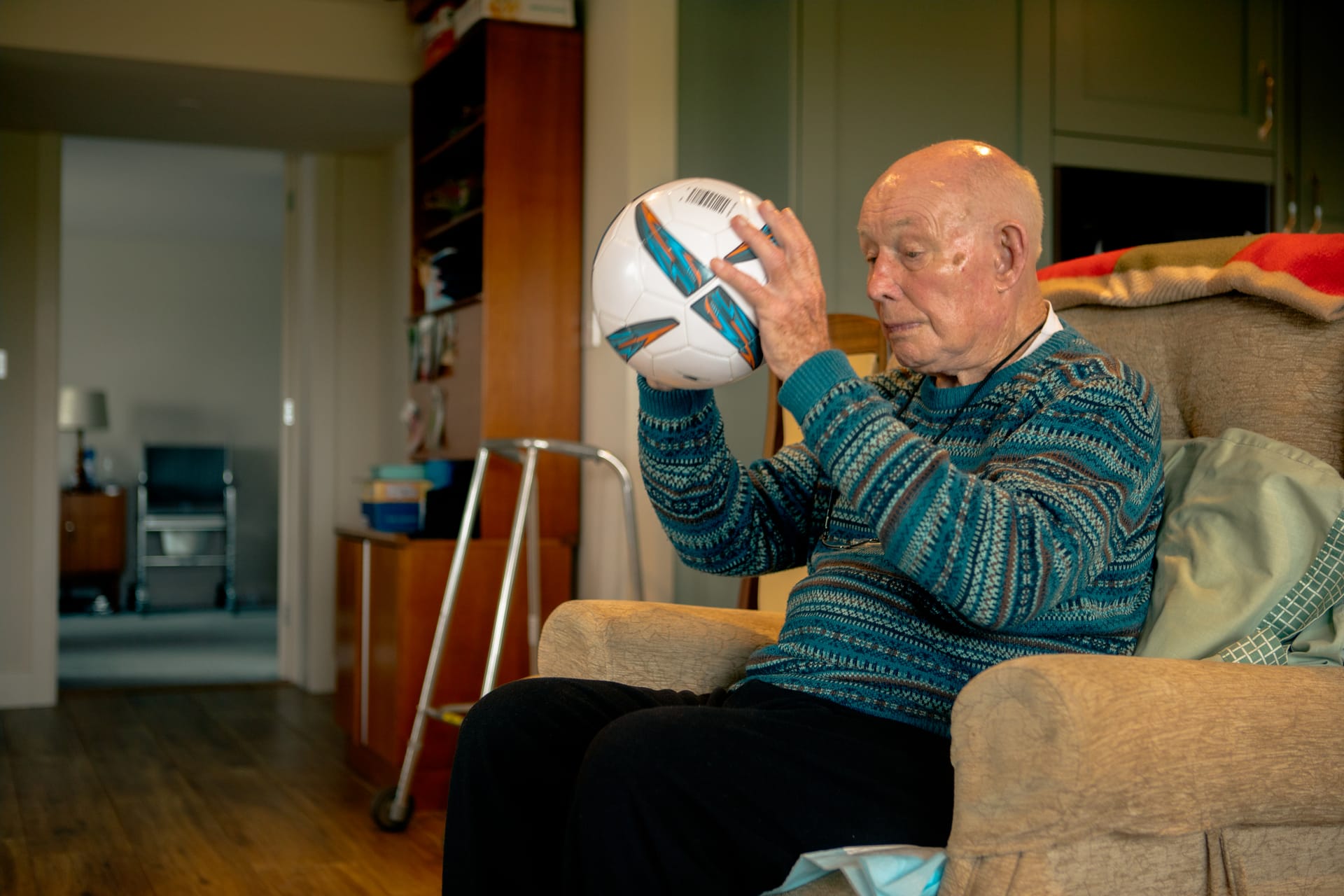
Care held together by familiar things
Home can provide powerful anchors: the same chair, garden, photographs, neighbours and daily rhythm. We build dementia support around those anchors while helping with safety, personal care, nutrition, medication and changing needs.
Calm, continuity and careful observation
Dementia affects people differently and can change over time. The plan must be specific enough to guide care and flexible enough to respond to the person in front of us.
Life history becomes practical care
We learn the person's former work, family relationships, culture, faith, interests, language, routines and the things that bring comfort or distress. This helps carers communicate respectfully, recognise meaning behind behaviour and create days that still feel like the person's own.
Support without rushing
Personal care, dressing, meals and medication are approached at a pace that reduces anxiety and protects dignity. Familiar sequences and simple choices can make everyday tasks feel safer.
Risk managed thoughtfully
Falls, leaving home, kitchen safety, missed medication, hydration and night-time changes are assessed without removing independence unnecessarily.
Listen beyond words
Carers use clear language, patience, observation and reassurance, adapting when speech, hearing, vision or processing changes.
Shared understanding
Families receive honest updates and practical support to understand changes, maintain connection and make decisions together.
The plan is a living document
A change in behaviour may communicate pain, infection, medication effects, fear, fatigue or an unmet need. We observe patterns and escalate concerns rather than making assumptions.
Notice
Carers record meaningful changes in appetite, sleep, mobility, continence, mood, communication and daily function.
Understand
The context is considered: what happened before, what the person may be communicating and whether health review is needed.
Respond
Support is adjusted, family is informed and clinical advice is sought when changes suggest illness or increased risk.
Review
The care plan is updated so everyone works consistently and the response remains proportionate and respectful.
What families usually ask
Tell us about the person, not only the diagnosis.
We will listen to what life is like now and help you explore a safe, familiar way forward.